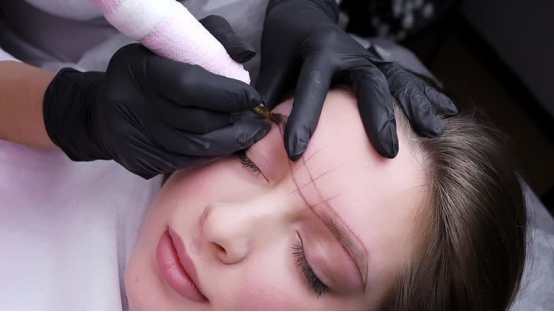
Microblading vs. Nanoblading: Understanding the Difference
https://www.lacosteus.com/mastering-brow-artistry-microblading-vs-nanoblading-feathering-techniques/
With the development of semi-permanent eyebrow enhancement technology, microneedle and nano-needle tattooing have become the most popular eyebrow shaping methods in the beauty industry. Both can shape the brow area and achieve a natural, three-dimensional effect. However, choosing the right technique based on the operating principle, tool accuracy, durability, applicable population, and maintenance can not only improve the beauty of the brow shape but also reduce the operation risk and subsequent maintenance costs. This article comprehensively analyzes the differences between microneedle and nano-needle tattooing from multiple perspectives, including technical principles, operation, effect analysis, applicable population, and maintenance process.
Micro-needle embroidery overview
Microneedling is a semi-permanent makeup technique that uses handheld micro-blades to insert into the skin’s surface, mimicking the natural texture of eyebrows. Microneedling lines are created along the direction of eyebrow growth, creating a three-dimensional, natural-looking brow effect. Microneedling not only fills gaps in the eyebrows but also corrects unsightly brow shapes, enhancing the overall facial appearance while significantly reducing daily makeup application time. Microneedling is suitable for those with sparse or medium-density eyebrows, as well as those seeking semi-permanent brow enhancement for the first time. The blades typically range in diameter from 0.18 to 0.25 mm, allowing for medium-thick tip strokes. Due to the larger blades, there may be a slight stinging sensation during the procedure, which can usually be alleviated with a topical anesthetic cream. The duration of microneedling treatments typically ranges from 12 to 18 months, with specific results affected by skin type, pigmentation, and care.
Nano Embroidery Overview
Nano-brow tattooing is an upgraded version of microneedle technology, utilizing finer needles and higher-precision techniques for more detailed, natural-looking brow strokes. Nano-brow tattooing mimics the surface of a single eyebrow hair, achieving a soft transition effect with a natural-looking beginning and a distinct end. Nano-needles, typically 0.12 to 0.18 mm in diameter, are thinner than microneedles and can create detailed contours at the beginning, peak, and end of the brow, creating a layered effect. Nano-brow tattooing offers minimal trauma and a quick recovery period, making it ideal for those seeking the ultimate natural look. Those with sensitive skin or sparse eyebrows can choose nano-brow tattooing for a more comfortable procedure while reducing skin irritation.
Analysis of technical differences
Microneedle and nano-tissue tattooing differ in several key areas. First, the needle diameter. Microneedle tattooing uses thicker needles, suitable for brow strokes of relatively common thicknesses, while nano-tissue tattooing uses finer needles, capable of depicting extremely fine hair textures for a more natural effect. Second, there’s the issue of precision. Microneedle tattooing is relatively quick to perform, creating a more three-dimensional brow shape, but can also appear slightly stiff. Nano-tissue tattooing requires a more precise technique, requiring each stroke to be carefully applied. Finally, there’s the degree of trauma. Microneedle tattooing may cause mild redness and swelling in the mid-stage of treatment, while nano-tissue tattooing is more invasive and has a more controlled recovery period. Finally, there’s the issue of durability. Microneedle tattooing typically lasts 12 to 18 months, while nano-tissue lasts 10 to 16 months, but fades more evenly. Choosing the right technique depends on your needs, skin type, and desired results.
Detailed operation process
Eyebrow design
Eyebrow shaping is the first step in microneedle and nano-tissue tattooing. When designing the brow shape, the position of the brow head, brow peak, and brow tail must be determined based on facial proportions. A detailed rough sketch should be made to ensure that the brows coordinate with the eye shape, nose bridge, and overall facial shape. The pigment should be chosen in accordance with skin tone and hair color to ensure a natural finish.
Skin preparation
Before the procedure, the eyebrow area must be thoroughly cleansed to remove oil and makeup. For sensitive skin or skin prone to redness and swelling, a skin protection treatment can be applied. Applying a topical anesthetic cream before the procedure can significantly reduce pain and enhance comfort.
Powder entrance
Microneedle embroidery uses a coarse needle to carve the brows along their length, creating distinct, three-dimensional brows with each stroke. Nanoneedle embroidery uses a fine needle to carve each brow individually, creating natural, abrupt transitions with a light, defined beginning and a distinct tail. The brow peak and tail can be thickened to enhance the volume and density of the brows. During application, the pen should be placed in the same direction, avoiding cross-direction or reverse direction, to ensure smooth, natural-looking brows.
Modification and finishing
After completing your brows, treat the area with a cleanser or neutralizer to reduce skin irritation. Use concealer or highlighter above the brow bone to enhance the brow’s volume. Groom your brows to create a consistent, natural-looking look.
Aftercare
Avoid contact with moisture and chemicals for 24 hours, and keep the brow area dry. Use a repair cream or moisturizing serum to prevent dry skin and makeup. Refresh your brows or moisturize them once a month to maintain optimal results. Regular sun protection can also prolong the pigment’s longevity.
Advantages Analysis
Microneedle tattooing is quick to use and provides a strong three-dimensional effect, suitable for most brow shapes. However, it may appear slightly stiff at the brow center and may cause more trauma, leading to a longer recovery period. Nano-tissue tattooing pens use extremely fine contact, resulting in natural, minimally invasive changes and a smooth transition between brows. It is suitable for those with sensitive skin and those seeking a natural-looking effect, but it is more difficult to use, more expensive, and takes a slightly longer time.
Applicable people
Microneedle tattooing is suitable for those who seek a three-dimensional effect and quick results, as well as those with normal or oily skin. Nano-tissue tattooing is suitable for those with thin eyebrows or sensitive skin, as well as those who seek a natural, soft effect. Those who are just starting to try semi-permanent eyebrow tattooing can also choose the appropriate technique based on their personal needs.
Common Error Areas
Darker highlights tend to last longer, but too dark a color can create a sparse, harsh appearance. A moderate, natural look is best. Some believe that nano-pigmentation can be used to correct the appearance of pigmentation, but any semi-permanent technique requires one or two touch-ups to maintain results. Minimal invasiveness doesn’t mean painless; sensitive individuals may still experience a slight sting. Those with very thin eyebrows or wrinkle-prone skin should consider this option.
Summarize
Microneedle and nano-needle tattooing each have their own advantages and disadvantages. The choice should be based on the desired naturalness, volume, durability, and comfort. Microneedle tattooing is suitable for quick shaping and three-dimensional effects, while nano-needle tattooing is more suitable for those who seek a delicate, natural look with minimal trauma. Regardless of the chosen technique, professional application, appropriate pigment selection, and proper care are crucial to achieving the ideal brow shape. Scientific design, meticulous application, and daily maintenance can achieve the optimal balance between aesthetic beauty and ease of use, enhancing the overall appearance of the eyebrow.
https://www.lacosteus.com/mastering-brow-artistry-microblading-vs-nanoblading-feathering-techniques/